
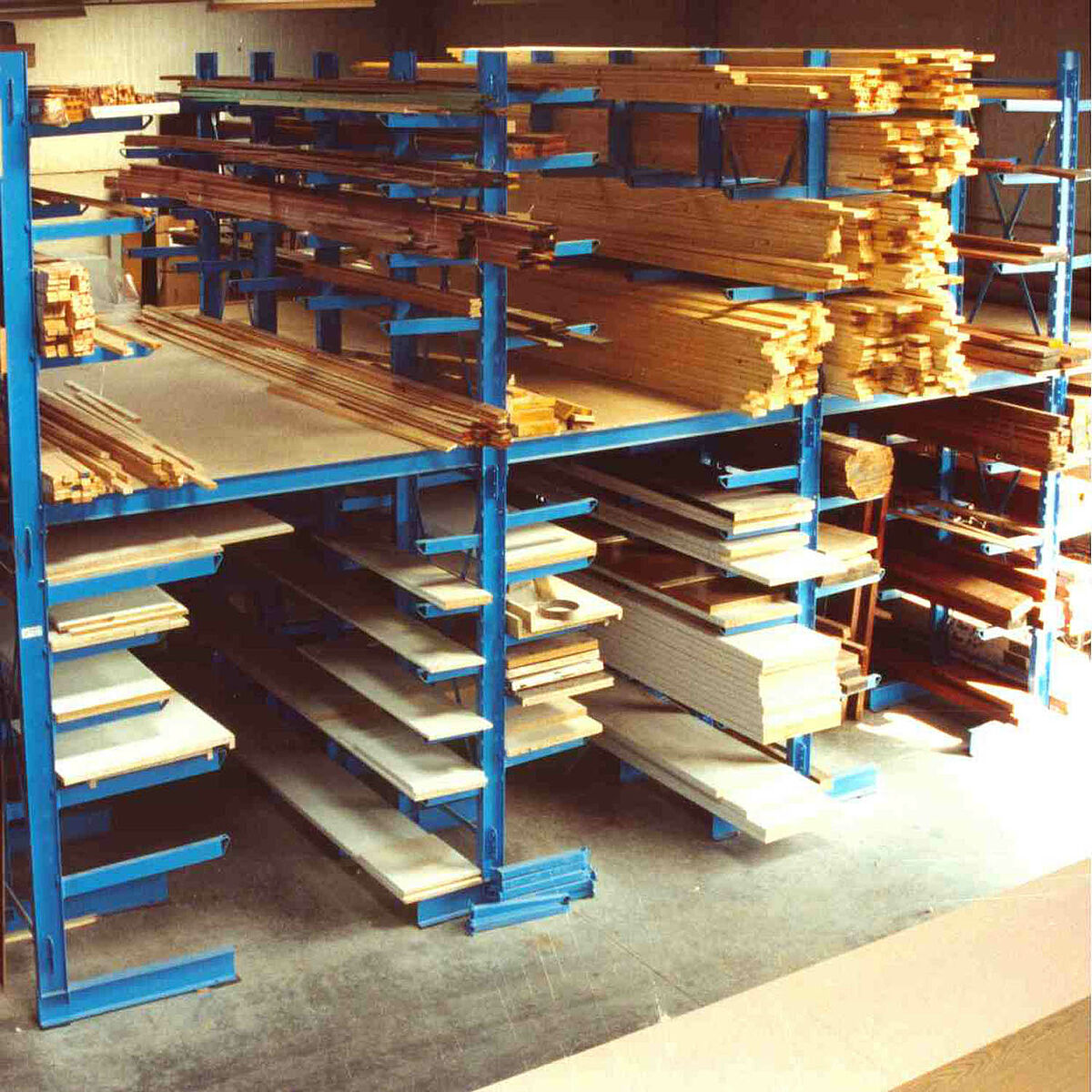
The warehouse layout refers to the spatial arrangement of all functional areas within a warehouse. It includes the systematic placement of storage zones, traffic routes, and workstations. It ensures optimal material flow, short transport paths, and efficient operations. The goal is to make maximum use of the available space while increasing safety and productivity in warehouse operations.
Why is the warehouse layout important?
A well-planned warehouse layout takes both operational and logistical requirements into account. It ensures that inbound, storage, picking, and shipping run smoothly. Factors such as warehouse size, type of stored goods, turnover frequency, and safety regulations must be considered. A thoughtful warehouse layout minimizes unnecessary walking distances, reduces handling times, and lowers potential hazards. It is critical to operating costs and directly impacts the efficiency and profitability of the warehouse. An optimized layout also provides the necessary flexibility to respond to future changes such as growing inventories or new technologies.
Key components of a warehouse layout
An effective warehouse layout consists of several clearly defined areas, each fulfilling specific functions. These components form the foundation for smooth warehouse operations:
1. Inbound area
This is where incoming goods are received, inspected, and registered. A well-designed receiving area provides sufficient space for unloading operations as well as separate zones for quality control and temporary storage.
2. Storage area
The storage area is the heart of the warehouse layout. It is divided into different zones that are tailored to the stored goods and their characteristics. These include, for example, high-bay storage, small-parts storage, or temperature zones such as chilled and deep-freeze storage.
3. Picking and packing area
Here, goods are assembled according to customer orders and prepared for shipping. A logical arrangement reduces walking distances and increases processing speed. Modern warehouses use automated picking systems for this purpose.
4. Shipping area
In the shipping area, fully picked orders are prepared for transport. This area should be close to the outbound docks and provide sufficient space for loading vehicles. A clear structure avoids delays and loading errors.
5. Service and administrative areas
In addition to the operational warehouse areas, staff spaces such as offices, break rooms, or maintenance stations must also be considered in the warehouse layout. They ensure smooth administrative processes and enhance employee safety and well-being.
Why is the division crucial?
A clear separation of these areas reduces disruptions, improves material flow, and ensures efficient use of resources. This allows warehouse processes to run smoothly and enables flexible responses to changes in operations.
How to design an efficient warehouse layout
Planning an optimal warehouse layout starts with a thorough analysis of the existing warehouse structure. Both the available space and the operational requirements are recorded in detail.
Efficient material flow is essential for smooth warehouse operations. Ideally, movements of goods proceed linearly without crossings to avoid delays and accidents. A clear separation of vehicle and pedestrian routes as well as highly visible markings provide better orientation and increased safety.
The choice of the appropriate storage system also plays a central role. Depending on the type of goods and storage density, different racking systems such as high-bay, shelf, or mobile racking are suitable. Their arrangement should be flexible enough to respond to changes in inventory or seasonal fluctuations.
In addition, it is important to plan sufficient space for work and social areas. This includes administrative offices as well as break rooms and maintenance stations. A clear separation of these areas from warehouse operations contributes to safety and efficiency.
Through careful planning that takes all operational requirements into account, you can create a productive and cost-saving warehouse layout.
Challenges in designing a warehouse layout
There are both technical and organizational challenges in designing a warehouse layout.
Complexity of space utilization
Making optimal use of limited warehouse space requires thoughtful planning. In warehouses with complex structures and multiple functional areas, the sensible arrangement of all zones is among the most important tasks. Architectural conditions such as support columns, low ceiling heights, or narrow access routes present additional challenges and demand creative solutions for efficient space allocation.
Dynamic material flow
Efficient material flow requires clearly defined and unobstructed routes for transport equipment and employees. Bottlenecks, intersections, or poorly visible areas quickly lead to delays and increase the risk of accidents. Wide driveways, highly visible markings, and clear right-of-way rules ensure smooth operations. The utilization of transport routes can also fluctuate significantly due to seasonal peaks, which requires additional flexibility in the layout. Companies should therefore rely on adaptable warehouse structures to handle both increasing throughput and short-term changes in operations with ease.
Variety of stored goods
The type of goods determines the required warehouse layout. Temperature-sensitive products such as food or pharmaceuticals require precisely controlled climate zones to maintain their quality. Heavy or bulky goods such as machine parts or building materials need robust racking systems with high load capacity. A professionally designed warehouse layout must take these individual requirements into account and at the same time be flexible enough to efficiently support operational adjustments. The integration of specialized storage areas increases operational safety and maximizes storage capacity as well as material flow.
Technical integration
The technical integration of modern warehouse systems forms the backbone of smoothly functioning warehouse operations. Automated solutions such as AGVs, conveyor systems, or stacker cranes bring efficiency and speed—provided they are perfectly embedded in the existing warehouse infrastructure. For all processes to mesh seamlessly, various software systems such as warehouse management systems (WMS), enterprise resource planning (ERP), and shipping platforms must communicate with each other seamlessly. Only then does data flow in real time, ensuring accurate inventory management, error-free picking, and on-time deliveries.
But technical integration does not end with installation. Growing companies need scalable systems that can flexibly respond to new requirements. Regular updates and system maintenance ensure long-term performance and prevent unexpected downtime. A well-conceived interplay of modern technology, intelligent software, and future-proof IT infrastructure creates not only an efficient but also a sustainable warehouse operation that is well prepared for the challenges of the future.
Safety and workplace regulations
Compliance with legal requirements and safety standards is indispensable for safe and efficient warehouse operations. Ergonomically designed workstations reduce physical strain and actively contribute to employee health. Height-adjustable packing tables, non-slip flooring, and adequately lit work areas are just a few measures that prevent accidents and increase productivity.
Modern safety technology such as emergency stop switches, light curtains, and automatic locking systems provides additional protection, especially in automated warehouses. Traffic routes for vehicles and pedestrians should be separated by clear markings and barriers to avoid collisions and hazardous intersections.
In addition to technical aspects, regular staff training also plays a central role. Employees must be informed about safety regulations, emergency plans, and the correct handling of equipment and machinery. Only through a consistent combination of structural, technical, and organizational measures can a safe working environment be created that ensures both operational safety and compliance with legal requirements.
Do you need support designing your warehouse layout? Our experts are happy to advise you. Contact us for a tailor-made solution precisely aligned with your operational requirements.
